
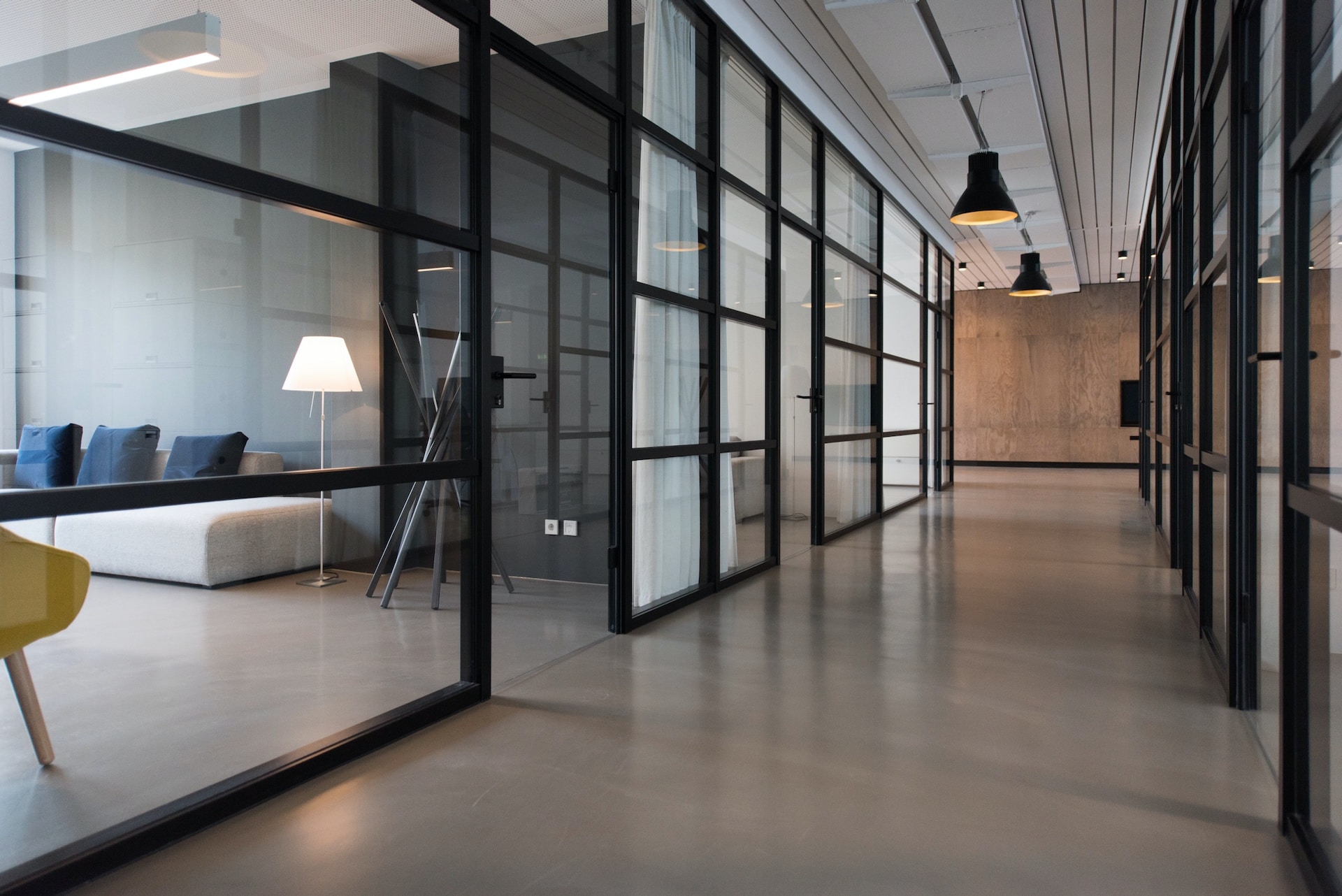
The Psychology Behind Office Fit-Outs
In the bustling world of business, the environment in which we work holds a profound impact on our productivity, creativity, and overall well-being. Among the myriad factors influencing workplace effectiveness, office design stands as a pivotal element. From layout and furniture choices to color schemes and lighting, each aspect plays a vital role in shaping the psychology of the workspace.
Creating the Optimal Work Environment
A well-designed office isn’t merely about aesthetics; it’s a strategic tool to enhance productivity. The layout determines how employees interact, fostering collaboration or providing personal space for focused work. An open floor plan encourages communication and idea sharing, while secluded areas offer quiet for deep concentration.
Color Psychology in Design
Colors wield a remarkable influence on our emotions and behaviors. For instance, vibrant shades like yellow and orange promote energy and creativity, ideal for brainstorming areas. Blues and greens evoke calmness and concentration, perfect for spaces requiring sustained focus. Balancing these hues in the office can create a harmonious and motivating atmosphere.
The Role of Ergonomics
Comfortable, ergonomic furniture isn’t just a luxury but a necessity for a productive workspace. Chairs supporting proper posture, adjustable desks, and adequate lighting contribute significantly to employees’ physical health and mental well-being, reducing fatigue and enhancing focus.
Incorporating Nature and Biophilic Design
Bringing elements of nature into the office has shown remarkable benefits. Biophilic design, integrating natural light, plants, and natural materials, can reduce stress, enhance creativity, and improve overall mood among employees.
The Impact of Personalization
Personalized workspaces empower employees, making them feel valued and connected to their environment. Allowing customization through personal items, flexible desk setups, or designated areas for team expression fosters a sense of ownership and boosts morale.
Adapting to the Future of Work
With the rise of remote work, hybrid models, and flexible schedules, offices must adapt to meet evolving needs. Designing spaces that facilitate collaboration while accommodating remote work technologies becomes pivotal in supporting a dynamic workforce.
Conclusion
The design of an office transcends mere aesthetics; it’s a strategic investment in human psychology and performance. A thoughtfully crafted workspace considers the diverse needs of employees, balancing functionality with aesthetics to create an environment that stimulates productivity, creativity, and well-being.
In essence, understanding the psychology behind office fit-outs enables businesses to harness the potential of their spaces, fostering an environment where employees thrive and innovation flourishes.
Robert Brown November 3, 2021
Fast, cheap and good — from these three things you should always choose two. If it’s fast and cheap, it will never be good. If it’s cheap and good, it will never work out quickly.
Robert Berg November 3, 2021
Think about the content that you want to invest in a created object, and only then will form. The thing is your spirit. A spirit unlike forms hard copy.
James Morrison November 3, 2021
We need to understand what the customer wants, and to connect it with your wishes and possibilities. To create something outstanding, we need the enthusiasm of both. I am a very happy person, because I worked with wonderful customers who have helped me very.
Comments are closed.